
The BIM/PLM Digital Process
Operamed’s fully digital process leverages BIM (Building Information Modeling) and PLM (Product Lifecycle Management) technologies to optimize every phase of the project, from planning to production, ensuring multidisciplinary coordination, reduced clashes and full control over timelines, costs and outcomes.
Integrated digital design for complex healthcare environments
Through BIM (Building Information Modeling), Operamed develops a shared digital model that accurately represents the physical and functional characteristics of the environment, allowing technical solutions, timelines and costs to be defined before construction begins.
Integration with PLM (Product Lifecycle Management) transforms the model into a continuous operational tool, extending control to the production phase and ensuring consistency between design, engineering, manufacturing and installation.
The result is a digital vision that perfectly matches what will be built, delivering greater reliability, risk reduction and full predictability of the intervention.
The Operational Process

01.
Tender design
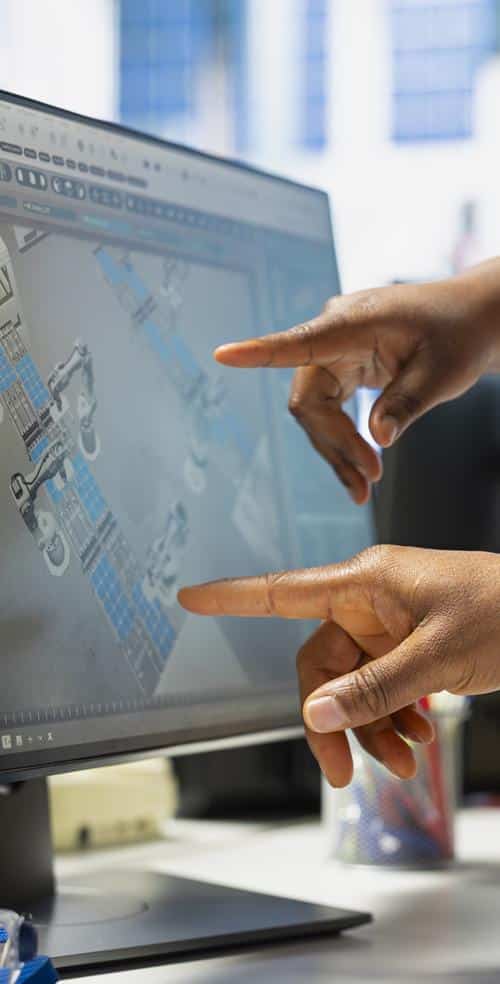
At this stage, Operamed develops a preliminary BIM model used to define layouts, technical solutions and the overall building services strategy.
The model supports feasibility studies, cost estimates, constraint analysis and coordination with the client and involved designers, providing a clear technical foundation already during the tender phase.

02.
Executive design
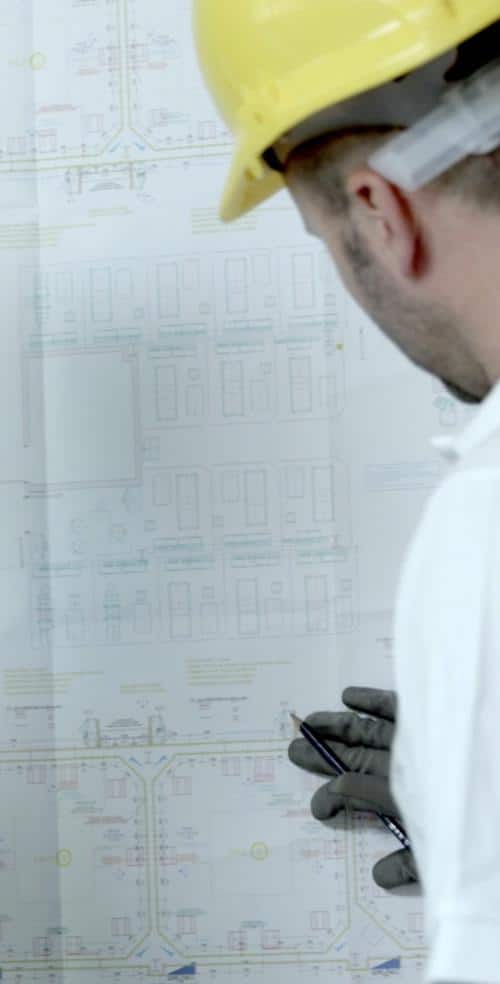
The BIM model is developed to executive level, fully integrating architecture, MEP systems, technological systems and modular components.
At this stage, clashes are resolved, clearances verified and all construction details required for production are defined, minimizing variations and critical issues on site.

03.
Production
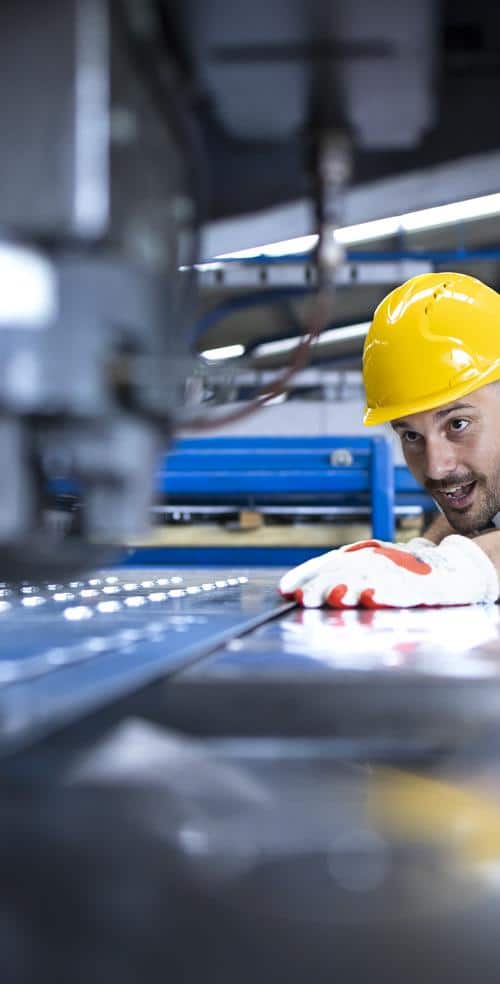
The BIM model is connected to the PLM system, becoming an operational tool for engineering and component production.
Each element is coded, tracked and manufactured with millimetric precision, ensuring consistency between design, fabrication and delivery timelines.

04.
Installation and commissioning
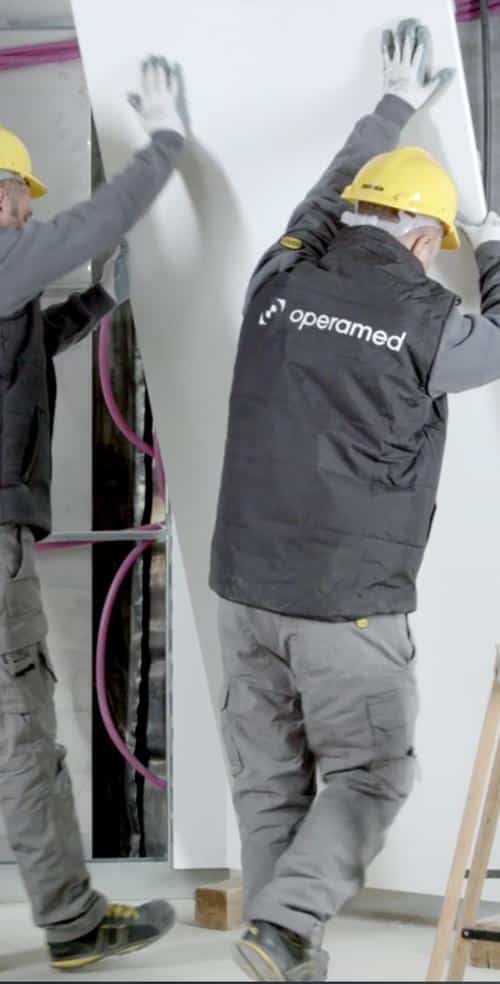
Installation is carried out based on a fully defined and validated project.
Prefabrication and advanced planning enable fast, orderly installation aligned with the digital model, simplifying commissioning activities and reducing operational interference.
From digital model to reality
The benefits of the BIM–PLM process
Our solutions
Operamed designs and delivers custom modular environments for hospitals, clinics and laboratories. Our projects combine advanced design, cutting-edge technology and meticulous attention to detail with the highest safety standards, ensuring a fully turnkey service.
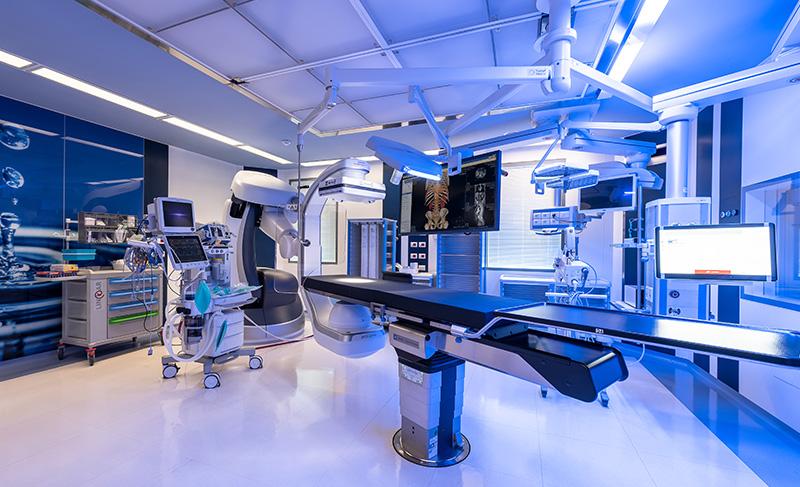
Indoor
Truespace
The first engineered modular system for the creation of complex healthcare environments, integrating architecture, building services and technology into a single, unified project.
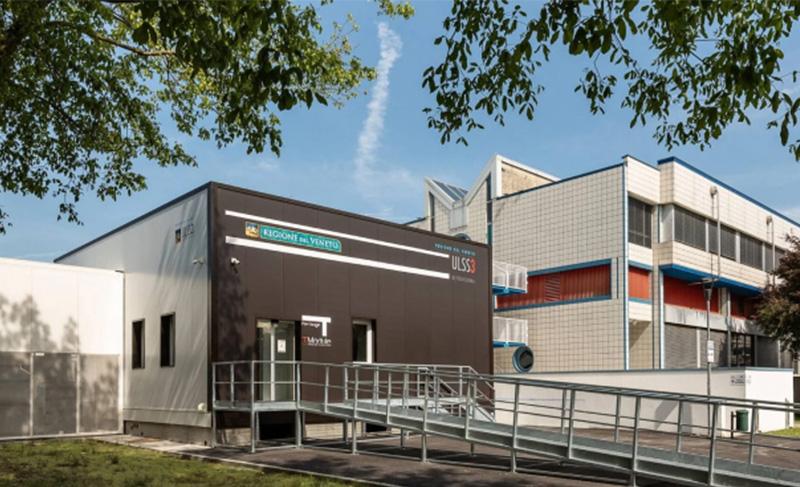
Outdoor
TModule
An engineered modular solution for the rapid construction of complete outdoor hospital departments, including the building envelope, internal partitions and integrated systems, ready for use in record time.
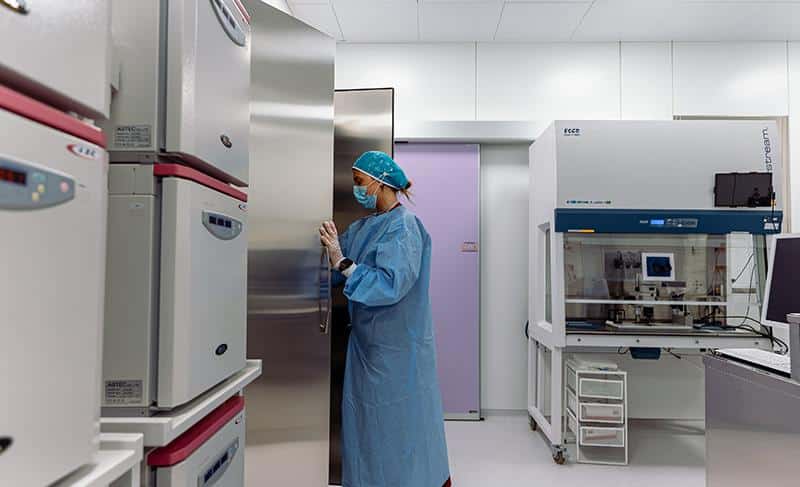
Indoor
Truelab
The solution for cleanrooms and laboratories, developed to ensure high performance, regulatory compliance and full integration of building services.
